MapInfo Pro is extremely flexible and can be easily integrated with your current IT systems. It is also extremely user-friendly so you don’t need to be an IT expert to use it.
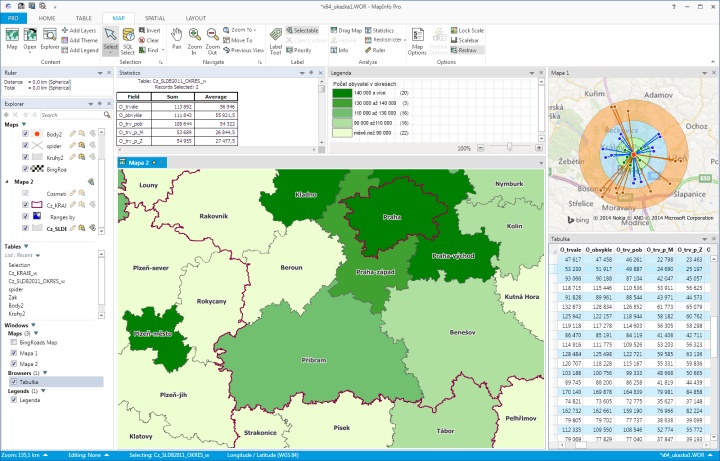
The standard version of MapInfo Pro uses a 64-bit architecture, the user interface is modern and easy to learn. This version contains most commonly used functionality, such as access to a variety of data and map formats, creating thematic maps, SQL queries, editing functions, regions redistricting, exporting maps and data, table structure management etc. This version contains also a number pre-installed add-on tools such as MapCAD, Distance Calculator, Spider Graph and many more. This is the most commonly used version of the application.
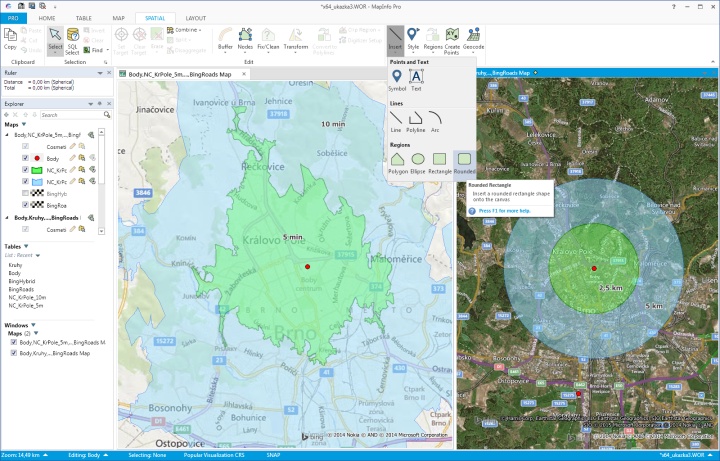
User interface corresponds with world leading software vendors. All functions are organized in tabs on the main ribbon. PublicAgent.17.07.18.Lucy.Heart.XXX.1080p.MP4-K...
Brief and complete help is available for beginners. Experienced users can save time with keyboard shortcuts. While we have more choices, the "watercooler moment"—where
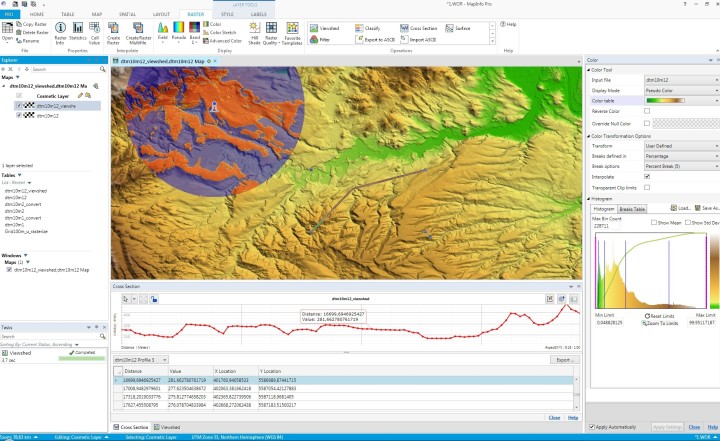
MapInfo Pro™ Advanced builds on MapInfo Pro™ introducing a highly performant raster grid analysis solution, featuring an innovative grid data format called Multi-Resolution Raster (MRR). It enables the super-fast processing, visualization and analysis of high resolution grid and image data; providing a step change in performance and usability even when working at a continental or global scale. It shapes our language, dictates our trends, and
More information
MapInfo Viewer is a free application that allows users to work with workspaces that have been created in the full version of MapInfo Pro. Free registration of the user account is required to use the application. MapInfo Viewer (since version 17.0.2) is based on the same code as the full version of MapInfo Pro, so the user interface is the same. Map compositions can be viewed, users can save maps to PDF/images, Layer Control allows to switch on/off the layers etc.
More information
While we have more choices, the "watercooler moment"—where everyone watches the same show at the same time—is becoming rarer, replaced by viral social media trends that peak and fade within days. The Power of Representation and Global Media
In the modern era, the lines between our physical lives and our digital experiences have blurred into a single, continuous stream. At the heart of this convergence is , a powerhouse industry that does far more than just "distract" us. It shapes our language, dictates our trends, and provides the cultural glue that connects people across continents.
Social media platforms like TikTok, Instagram, and YouTube have democratized content creation. The "audience" is now the "creator." This shift has birthed the , where a person filming in their bedroom can command more attention—and advertising revenue—than a traditional television network. Popular media is no longer just about what Hollywood produces; it’s about what the global community shares.
We no longer wait a week for a new episode. We consume entire seasons in a weekend.
Shows like Squid Game (South Korea) or Money Heist (Spain) have proven that language is no longer a barrier to becoming a global phenomenon. Entertainment content is increasingly reflecting a multi-faceted world, allowing audiences to see themselves represented in stories that were previously gatekept by traditional studios. Transmedia Storytelling: Worlds Beyond the Screen
Modern entertainment doesn't stop when the credits roll. We are living in the age of the and Transmedia Storytelling . A popular media franchise today often spans across: Feature Films Limited Series Video Games Podcasts and AR Experiences
The Streaming Revolution and the Death of the "Watercooler Moment"
For decades, popular media was a one-way street. You sat in a theater, watched a broadcast, or read a magazine. Today, the landscape is defined by .
Algorithms allow platforms to serve highly specific content to niche audiences, ensuring that there is "something for everyone."
Entertainment Content and Popular Media: The Digital Pulse of Modern Culture
Knowledge Community connects everyone with specialists across Pitney Bowes organization to encourage the exchange of ideas, information and to ask product-related questions.
Knowledge CommunityUseful add-on applications for MapInfo Pro that you can download and install for your license.
ToolsWhile we have more choices, the "watercooler moment"—where everyone watches the same show at the same time—is becoming rarer, replaced by viral social media trends that peak and fade within days. The Power of Representation and Global Media
In the modern era, the lines between our physical lives and our digital experiences have blurred into a single, continuous stream. At the heart of this convergence is , a powerhouse industry that does far more than just "distract" us. It shapes our language, dictates our trends, and provides the cultural glue that connects people across continents.
Social media platforms like TikTok, Instagram, and YouTube have democratized content creation. The "audience" is now the "creator." This shift has birthed the , where a person filming in their bedroom can command more attention—and advertising revenue—than a traditional television network. Popular media is no longer just about what Hollywood produces; it’s about what the global community shares.
We no longer wait a week for a new episode. We consume entire seasons in a weekend.
Shows like Squid Game (South Korea) or Money Heist (Spain) have proven that language is no longer a barrier to becoming a global phenomenon. Entertainment content is increasingly reflecting a multi-faceted world, allowing audiences to see themselves represented in stories that were previously gatekept by traditional studios. Transmedia Storytelling: Worlds Beyond the Screen
Modern entertainment doesn't stop when the credits roll. We are living in the age of the and Transmedia Storytelling . A popular media franchise today often spans across: Feature Films Limited Series Video Games Podcasts and AR Experiences
The Streaming Revolution and the Death of the "Watercooler Moment"
For decades, popular media was a one-way street. You sat in a theater, watched a broadcast, or read a magazine. Today, the landscape is defined by .
Algorithms allow platforms to serve highly specific content to niche audiences, ensuring that there is "something for everyone."
Entertainment Content and Popular Media: The Digital Pulse of Modern Culture