Yesilcam Paylasilmayan Kadin Emel Canser Exclusive ((new)) ⭐

Home / Utility / Archivers / Magic Shadow Archiver

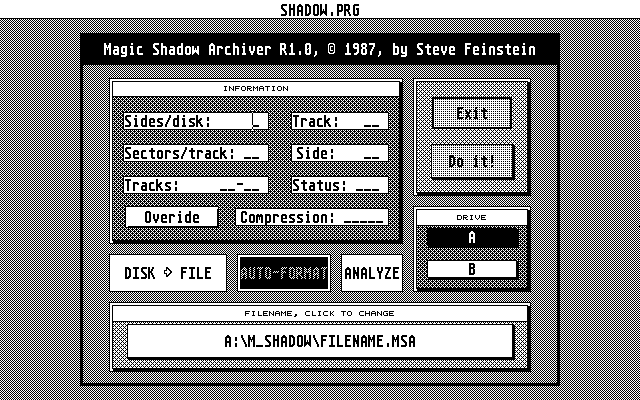
Useful disk backup program. Compresses the entire contents of a disk into one file.

Magic Shadow Archiver

Yesilcam Paylasilmayan Kadin Emel Canser Exclusive ((new)) ⭐

Tabloid Narratives: The media painted her as a woman so desirable that she caused friction between the leading men of the era.

Rivalry Between Producers: Multiple studios frequently fought over her contracts, wanting her to be the face of their next big hit.

Yeşilçam was not just a film industry; it was a dream factory that operated on a mixture of immense talent and often harsh realities. Among the names that frequently surface in deep-dive nostalgic forums is Emel Canser. Often referred to under the moniker of "the unshared woman" (paylaşılamayan kadın), Canser represents a specific archetype of the 1970s Turkish film era—one where beauty was a double-edged sword. The Rise of a Screen Siren yesilcam paylasilmayan kadin emel canser exclusive

Emel Canser entered the industry during a transformative period. By the early 70s, the innocent melodramas of the 60s were giving way to grittier, more provocative content. Canser, with her striking features and European aesthetic, quickly became a sought-after face for producers. She didn't just play a role; she embodied the tension of the era.

Cultural Preservation: Today, her films are considered "exclusive" because many of the master copies were lost or poorly preserved, making her performances a rare treasure for collectors. The Legacy Today Tabloid Narratives: The media painted her as a

Why is she called the "unshared woman"? In the context of Yeşilçam, this often refers to:

Her filmography reflects the "seks akımı" (erotic wave) that swept through Turkish cinema in the mid-70s. However, unlike many who were lost to the tide of low-budget productions, Canser maintained a certain "unreachable" quality. This is where the term "paylaşılamayan" (unshared or sought-after) originates. It describes a woman who was the subject of obsession both on-screen and in the tabloid culture of the time. Behind the Scenes: The Exclusive Reality Among the names that frequently surface in deep-dive

A version with specific headers?

In exclusive circles of cinema history, Canser’s life is often discussed as a cautionary tale of the pressures of fame. The Turkish media of the 70s was notoriously invasive. For an actress like Emel Canser, navigating the line between her public persona as a "femme fatale" and her private life was a constant struggle.

While she may not have the hundreds of credits that some of her peers boast, her impact was visual and visceral. To look back at an "exclusive" profile of Emel Canser is to look back at an era where cinema was the loudest voice in the room, and she was one of its most captivating whispers.

Tabloid Narratives: The media painted her as a woman so desirable that she caused friction between the leading men of the era.

Rivalry Between Producers: Multiple studios frequently fought over her contracts, wanting her to be the face of their next big hit.

Yeşilçam was not just a film industry; it was a dream factory that operated on a mixture of immense talent and often harsh realities. Among the names that frequently surface in deep-dive nostalgic forums is Emel Canser. Often referred to under the moniker of "the unshared woman" (paylaşılamayan kadın), Canser represents a specific archetype of the 1970s Turkish film era—one where beauty was a double-edged sword. The Rise of a Screen Siren

Emel Canser entered the industry during a transformative period. By the early 70s, the innocent melodramas of the 60s were giving way to grittier, more provocative content. Canser, with her striking features and European aesthetic, quickly became a sought-after face for producers. She didn't just play a role; she embodied the tension of the era.

Cultural Preservation: Today, her films are considered "exclusive" because many of the master copies were lost or poorly preserved, making her performances a rare treasure for collectors. The Legacy Today

Why is she called the "unshared woman"? In the context of Yeşilçam, this often refers to:

Her filmography reflects the "seks akımı" (erotic wave) that swept through Turkish cinema in the mid-70s. However, unlike many who were lost to the tide of low-budget productions, Canser maintained a certain "unreachable" quality. This is where the term "paylaşılamayan" (unshared or sought-after) originates. It describes a woman who was the subject of obsession both on-screen and in the tabloid culture of the time. Behind the Scenes: The Exclusive Reality

A version with specific headers?

In exclusive circles of cinema history, Canser’s life is often discussed as a cautionary tale of the pressures of fame. The Turkish media of the 70s was notoriously invasive. For an actress like Emel Canser, navigating the line between her public persona as a "femme fatale" and her private life was a constant struggle.

While she may not have the hundreds of credits that some of her peers boast, her impact was visual and visceral. To look back at an "exclusive" profile of Emel Canser is to look back at an era where cinema was the loudest voice in the room, and she was one of its most captivating whispers.