Packing list
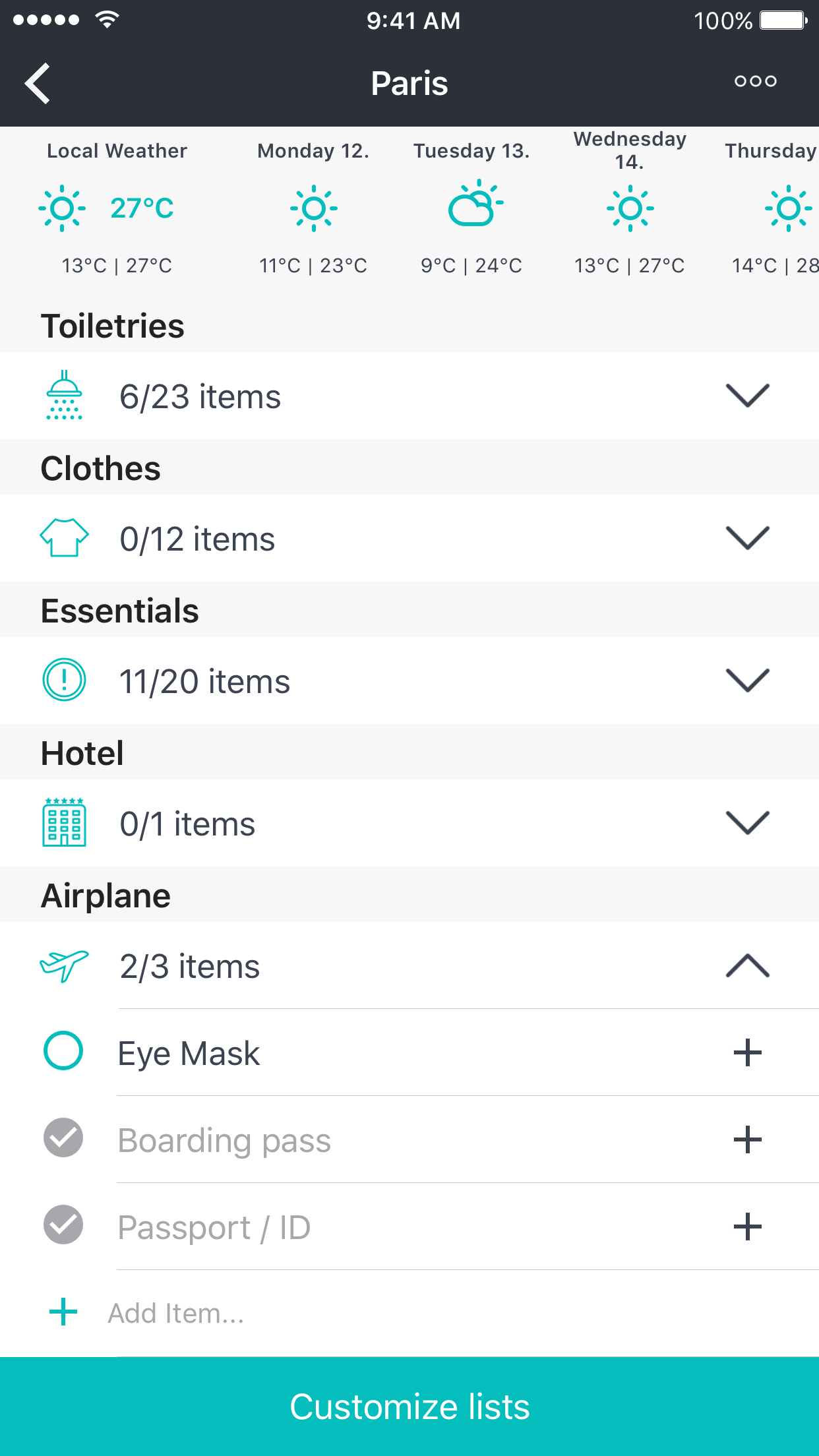
Tailor-made packing list for each trip.
Weather integration
Get packing suggestions based on the weather forecast at your destination.
Family mode
Pack for several travelers, making parents' life so much easier.
While is not a destination itself, it serves as a reminder of the precise syntax required for the internet to function. Whether it's a placeholder in a coding tutorial or a simple typo, it highlights the importance of domain structure and the essential role of the "index" file in web navigation.
To understand this keyword, we must break down its components:
If you are a web developer or a user encountering this error, consider the following steps:
: This is the Top-Level Domain (TLD), the most common suffix for commercial websites globally.
: These are typically used as placeholders in documentation or code to represent subdomains or IP address segments. For example, a developer might use "xxx" to hide a specific server name while explaining a setup process.
Tailor-made packing list for each trip.
Get packing suggestions based on the weather forecast at your destination.
Pack for several travelers, making parents' life so much easier.
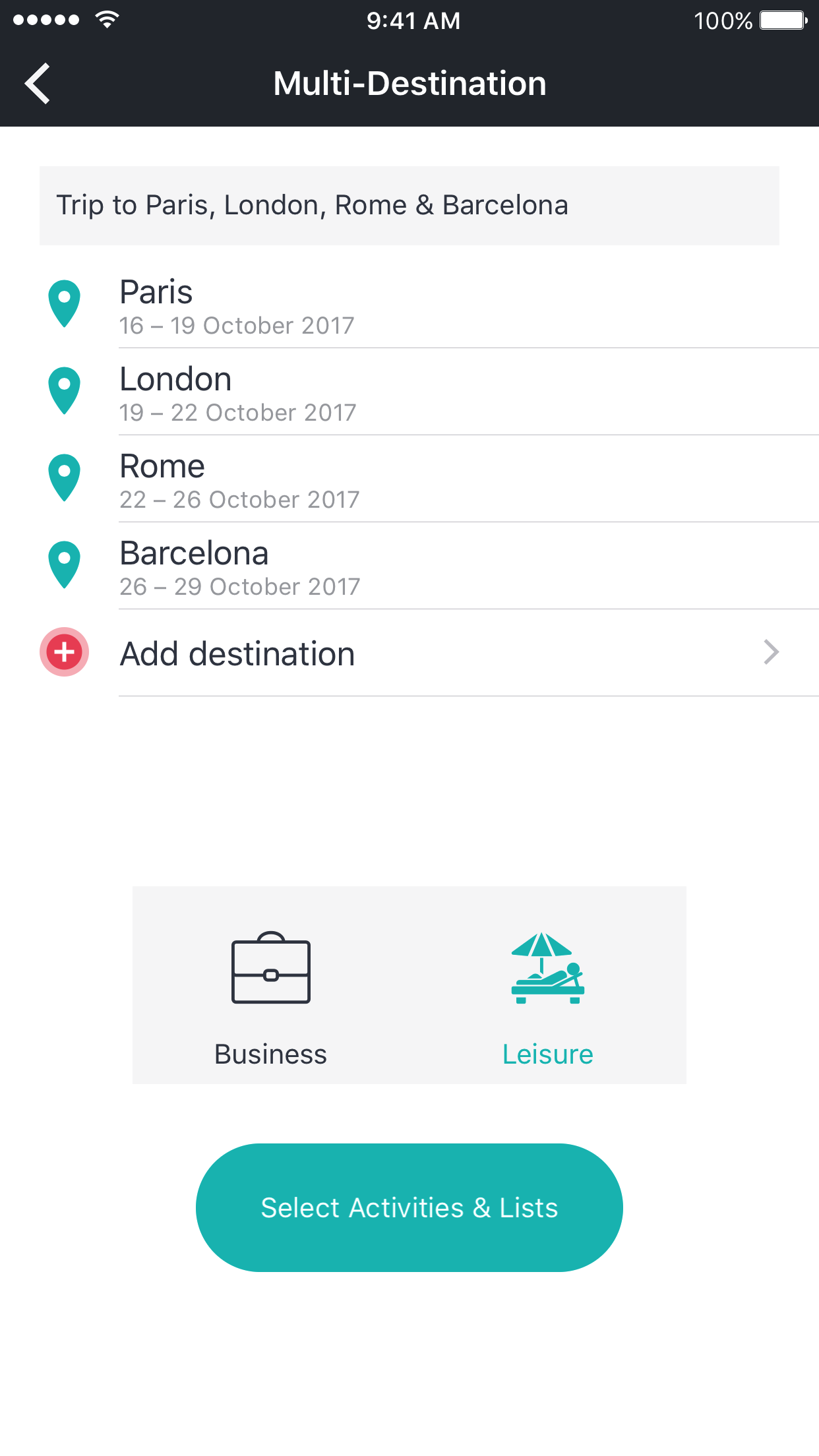
Plan your trip and packing list for multiple destinations. Each destination's weather will be used to make sure you never forget to pack an umbrella.
Your packing lists are automatically synced across all your devices.
Maybe this big list of features will help!
Packr is available on iPhone & iPad
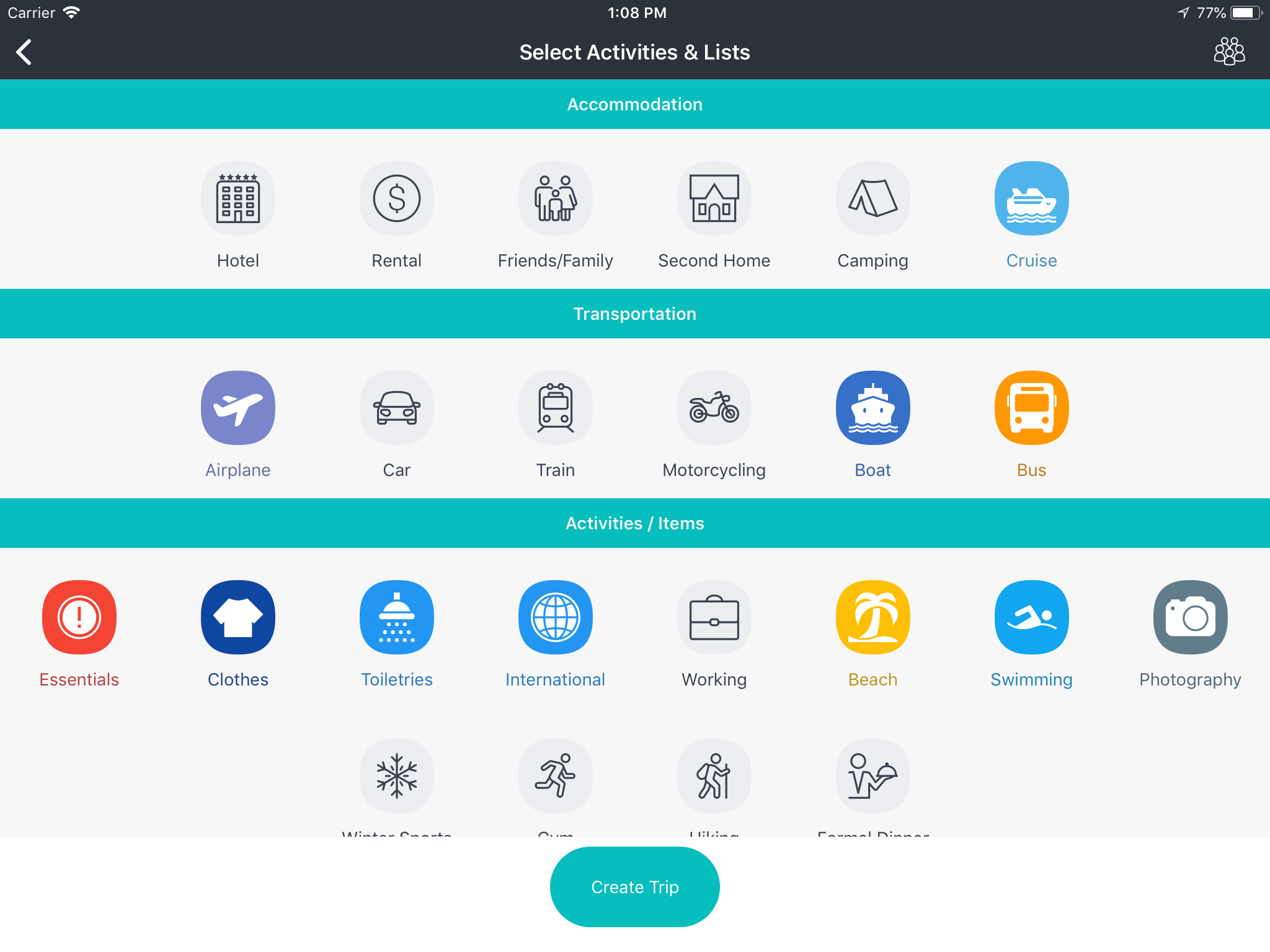
25+ activities and lists
Weather-driven packing list
Family mode
Multi-destination trips
Sync across devices
Add your own custom items
Offline access
Reusable lists
Custom categories & items
Custom reminders before your trip
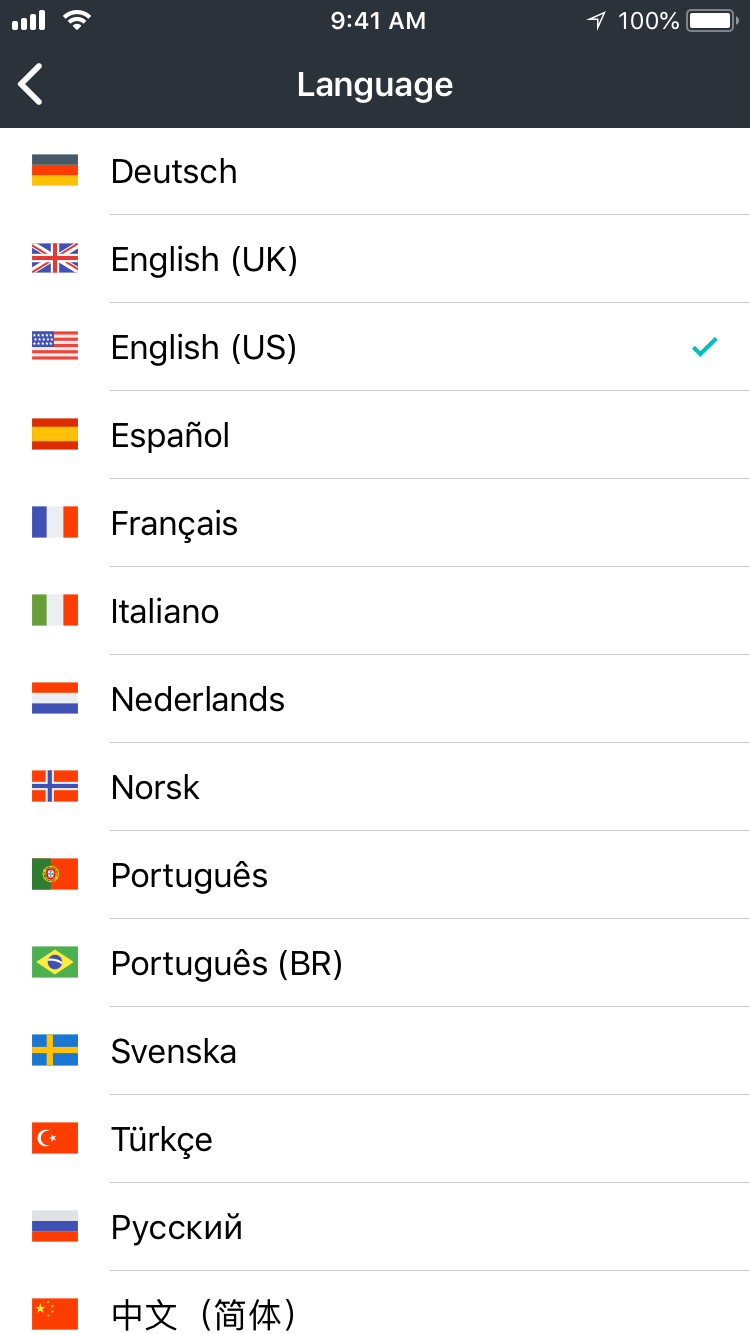
Available in 30+ languages
While is not a destination itself, it serves as a reminder of the precise syntax required for the internet to function. Whether it's a placeholder in a coding tutorial or a simple typo, it highlights the importance of domain structure and the essential role of the "index" file in web navigation.
To understand this keyword, we must break down its components:
If you are a web developer or a user encountering this error, consider the following steps:
: This is the Top-Level Domain (TLD), the most common suffix for commercial websites globally.
: These are typically used as placeholders in documentation or code to represent subdomains or IP address segments. For example, a developer might use "xxx" to hide a specific server name while explaining a setup process.