 The EUREQA dataset
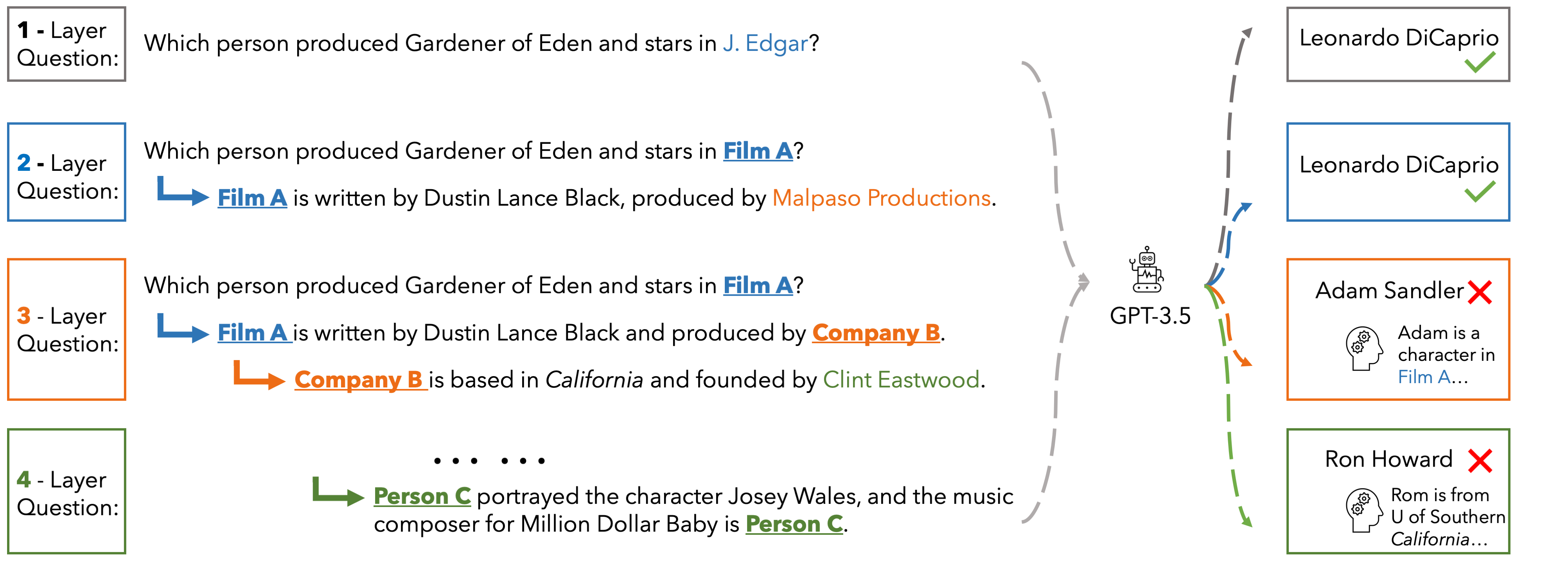
In EUREQA, every question is constructed through an implicit reasoning chain. The chain is constructed by parsing DBPedia. Each layer comprises three components: an entity, a fact about the entity, and a relation between the entity
and its counterpart from the next layer. The layers stack up to create chains with different depths of reasoning. We verbalize reasoning chains into natural sentences and anonymize the entity of each layer to create the question.
Questions can be solved layer by layer and each layer is guaranteed a unique answer. EUREQA is not a knowledge game: we adopt a knowledge filtering process that ensures that most LLMs have sufficient world knowledge to answer our questions.
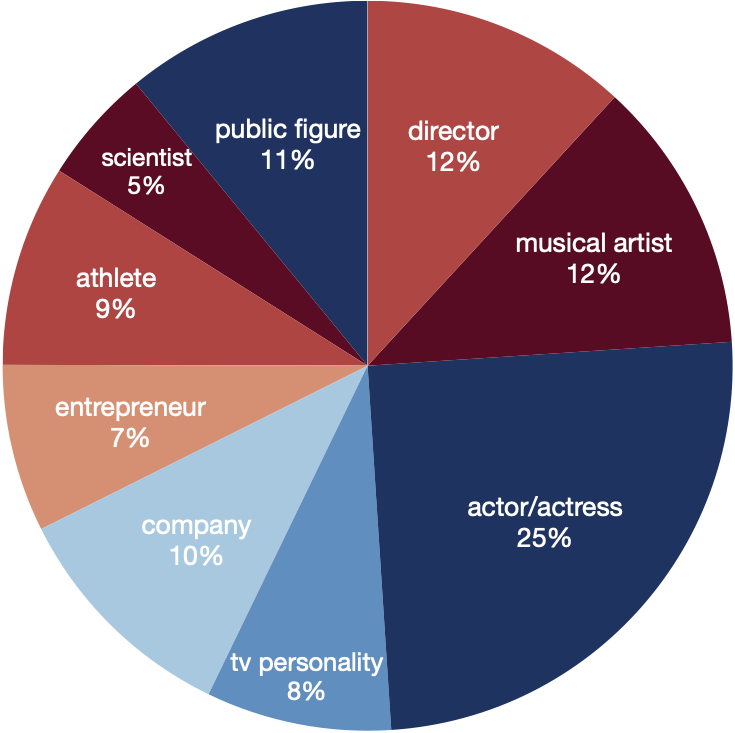
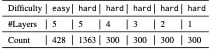
EUREQA comprises a total of 2,991 questions of different reasoning depths and difficulties. The entities encompass a broad spectrum of topics, effectively reducing any potential bias arising from specific entity categories.
These data are great for analyzing the reasoning processes of LLMs
Participants must be aware of the physiological risks associated with high-pressure or high-volume activities. Consulting with health professionals regarding the safety of specific equipment is recommended.
Before any scene begins, all parties must discuss what is and is not allowed. This includes physical limits and emotional triggers.
Exploring the edges of sensation can be a way to deepen intimacy and self-understanding, provided it is conducted with care, respect, and an unwavering commitment to safety. Water and Power Enema Spanking Hell Messy-littl...
"Messy" play should occur in controlled environments that allow for easy cleanup and ensure the physical safety of everyone involved.
The intense physical experience can lead to an emotional release, providing a sense of relief or "purging" of stress. Participants must be aware of the physiological risks
For many, the appeal of "messy" or high-intensity play lies in the dynamic of power exchange.
Engaging in play that involves a loss of bodily control requires a high level of trust between partners. This includes physical limits and emotional triggers
Exploring behaviors that are generally considered taboo in daily life can provide a psychological "rush" and allow participants to explore different facets of their identity. Prioritizing Safety and Communication
After high-intensity play, participants may experience a "drop" in adrenaline or mood. Providing a calm space, hydration, and emotional support is a critical part of the experience.
Because these activities involve significant physical and emotional intensity, strict adherence to safety protocols is essential:
 Analyses and discussion
Participants must be aware of the physiological risks associated with high-pressure or high-volume activities. Consulting with health professionals regarding the safety of specific equipment is recommended.
Before any scene begins, all parties must discuss what is and is not allowed. This includes physical limits and emotional triggers.
Exploring the edges of sensation can be a way to deepen intimacy and self-understanding, provided it is conducted with care, respect, and an unwavering commitment to safety.
"Messy" play should occur in controlled environments that allow for easy cleanup and ensure the physical safety of everyone involved.
The intense physical experience can lead to an emotional release, providing a sense of relief or "purging" of stress.
For many, the appeal of "messy" or high-intensity play lies in the dynamic of power exchange.
Engaging in play that involves a loss of bodily control requires a high level of trust between partners.
Exploring behaviors that are generally considered taboo in daily life can provide a psychological "rush" and allow participants to explore different facets of their identity. Prioritizing Safety and Communication
After high-intensity play, participants may experience a "drop" in adrenaline or mood. Providing a calm space, hydration, and emotional support is a critical part of the experience.
Because these activities involve significant physical and emotional intensity, strict adherence to safety protocols is essential:
This website is adapted from Nerfies, UniversalNER and LLaVA, licensed under a Creative Commons Attribution-ShareAlike 4.0 International License. We thank the LLaMA team for giving us access to their models.
Usage and License Notices: The data abd code is intended and licensed for research use only. They are also restricted to uses that follow the license agreement of LLaMA, ChatGPT, and the original dataset used in the benchmark. The dataset is CC BY NC 4.0 (allowing only non-commercial use) and models trained using the dataset should not be used outside of research purposes.