
RetroArch is a modular program that runs emulators and games within its framework as if they were 'plugins'.
These plugins are called 'cores', and you need to install them inside RetroArch to be able to use them.
These cores can also be used in other programs that implement the Libretro Application Programming Interface (API).
Both Libretro and RetroArch were made by the same developers, and RetroArch serves to demonstrate Libretro's power and scope.
Indian lifestyle content is incomplete without mentioning its sartorial elegance.
India is the birthplace of Yoga and Meditation, practices that have now become global wellness phenomena. For many Indians, spirituality is integrated into the daily routine:
A belief in the cycle of cause and effect often dictates moral and social behavior, fostering a sense of resilience and "Dharma" (duty). 5. Fashion: A Blend of Heritage and Global Trends
The most defining characteristic of Indian culture is its pluralism. India is home to nearly every major religion in the world, hundreds of languages, and thousands of dialects. Yet, a shared "Indianness" binds the population. This lifestyle is built on the Vedic philosophy of Vasudhaiva Kutumbakam —the world is one family. 2. The Social Fabric: Family and Community In India, life is rarely lived in isolation.
Indian culture is not a static museum piece; it is a living, breathing entity. It is a land where cows roam freely near high-tech IT hubs and where the latest pop music plays alongside the ancient echoes of a Sitar. To embrace the Indian lifestyle is to embrace contradictions, vibrant colors, and an unwavering sense of hope.
Eating is considered a sacred act. In many traditional homes, sitting on the floor and eating with the right hand is still practiced to foster a connection with the food. 4. Spiritual Wellness and Mindful Living
Gen Z and Millennials are currently spearheading a "fusion" movement—pairing hand-loomed ethnic fabrics with Western silhouettes like jeans or blazers. This "Indo-Western" style reflects a generation proud of its roots but global in its outlook. 6. The Modern Indian Lifestyle: The Digital Shift
Festivals like Diwali, Eid, Holi, and Christmas are celebrated across communal lines. The "neighborhood culture" is strong; it’s common for neighbors to share meals and participate in each other’s life milestones. 3. Culinary Traditions: More Than Just Spice Indian food is a sensory map of the country’s geography.
From the butter-rich curries of Punjab and the seafood delicacies of Kerala to the fermented dishes of the Northeast, the diet is dictated by local produce and climate.
RetroArch/Libretro has over 200 cores, and the list keeps expanding over time. These include game engines, games, multimedia programs and emulators.
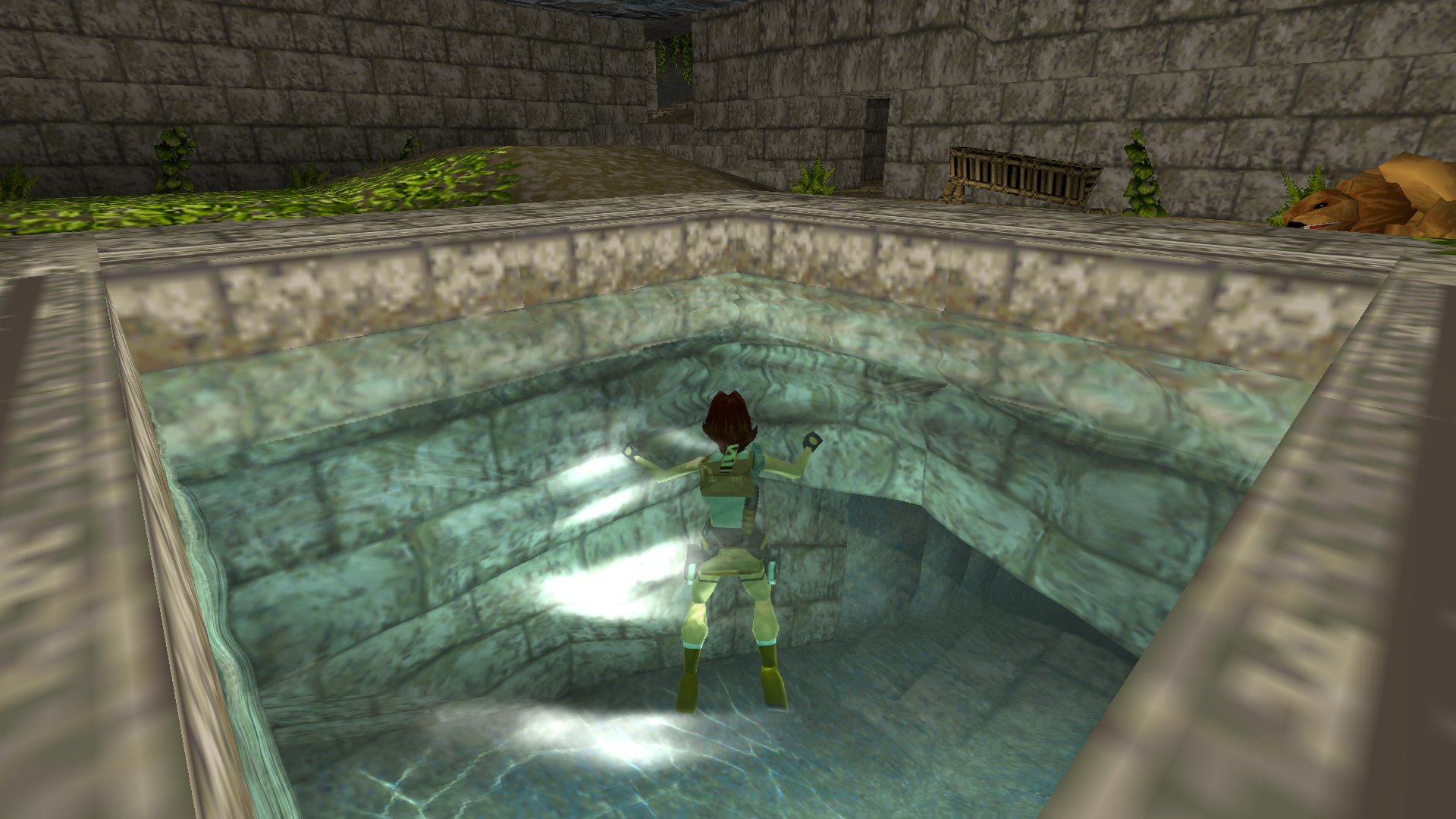
OpenLara is an early Tomb Raider game engine recreation.
Core available now for Windows/Linux.
For more information, read our article on this release here. watch mydesi49 18 video for free fix hiwebxseriescom
It uses the original data files in order to work. What is nice about this one is that it has some very fancy graphics effects added on top of the old game engine without it resulting in any stylistic clashes.

LRPS2 is a PlayStation2 emulator. It has a brand-new Vulkan-powered LLE renderer called ParaLLEl GS.
ParaLLEl-GS' goal is to be as accurate as software rendering but using the GPU instead of the CPU. Thanks to this we can also do enhancements which would be too slow to do on software, such as supersampled antialiasing and other enhancements. Yet, a shared "Indianness" binds the population
For more information, read our article on this release here.

DOSBox Pure is an easy-to-use plug and play version of DOSBox written specifically for Libretro/RetroArch. It supports MS-DOS and Windows 9x games. You can use savestates and even rewind. Automatic game detection with custom gamepad to keyboard mapping for many DOS games. it is a living
For more information, read our article on this release here.

PX-68K is a Sharp X68000 emulator. This is a Japanese home computer from the late '80s/early '90s that was used by Capcom as devkits for their arcade games. It played host to many popular games from the likes of Namco, Konami and Capcom.
Core available now for Windows, macOS, Linux, Android and iOS.
For more information, read our article on this release here.
Indian lifestyle content is incomplete without mentioning its sartorial elegance.
India is the birthplace of Yoga and Meditation, practices that have now become global wellness phenomena. For many Indians, spirituality is integrated into the daily routine:
A belief in the cycle of cause and effect often dictates moral and social behavior, fostering a sense of resilience and "Dharma" (duty). 5. Fashion: A Blend of Heritage and Global Trends
The most defining characteristic of Indian culture is its pluralism. India is home to nearly every major religion in the world, hundreds of languages, and thousands of dialects. Yet, a shared "Indianness" binds the population. This lifestyle is built on the Vedic philosophy of Vasudhaiva Kutumbakam —the world is one family. 2. The Social Fabric: Family and Community In India, life is rarely lived in isolation.
Indian culture is not a static museum piece; it is a living, breathing entity. It is a land where cows roam freely near high-tech IT hubs and where the latest pop music plays alongside the ancient echoes of a Sitar. To embrace the Indian lifestyle is to embrace contradictions, vibrant colors, and an unwavering sense of hope.
Eating is considered a sacred act. In many traditional homes, sitting on the floor and eating with the right hand is still practiced to foster a connection with the food. 4. Spiritual Wellness and Mindful Living
Gen Z and Millennials are currently spearheading a "fusion" movement—pairing hand-loomed ethnic fabrics with Western silhouettes like jeans or blazers. This "Indo-Western" style reflects a generation proud of its roots but global in its outlook. 6. The Modern Indian Lifestyle: The Digital Shift
Festivals like Diwali, Eid, Holi, and Christmas are celebrated across communal lines. The "neighborhood culture" is strong; it’s common for neighbors to share meals and participate in each other’s life milestones. 3. Culinary Traditions: More Than Just Spice Indian food is a sensory map of the country’s geography.
From the butter-rich curries of Punjab and the seafood delicacies of Kerala to the fermented dishes of the Northeast, the diet is dictated by local produce and climate.