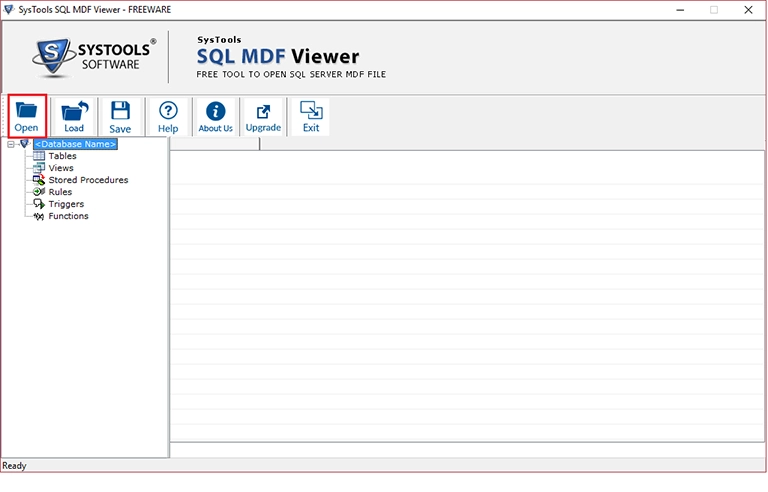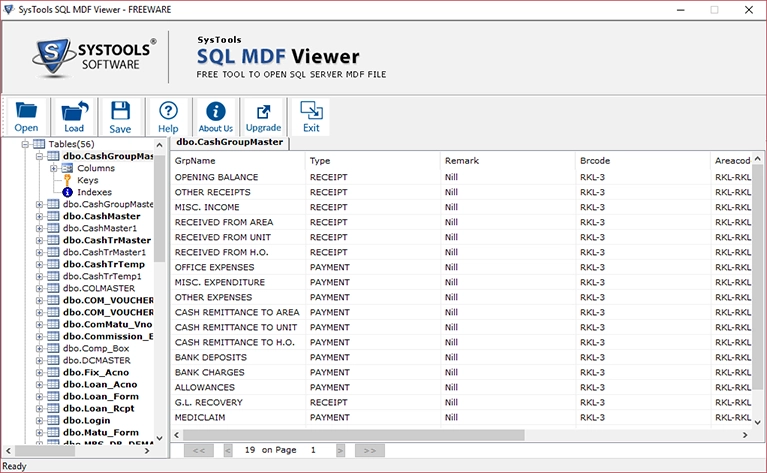


MS SQL MDF Viewer Tool is an independent application to open and read data from MDF file without SQL server. It is a freeware which can be used to analyze MDF file of SQL server 2016 and all below versions.
Download Now
Safe & Secure
Upgrade to Pro
30 Days Money Back*
Female creators who lean into sensuality often face harsher social and legal scrutiny compared to their male counterparts. The discourse around "Tante Kina" often devolves into "slut-shaming," revealing a culture that struggles to reconcile female agency with traditional expectations of modesty.
Indonesia boasts one of the world's most active social media populations. However, this digital enthusiasm often clashes with adat (traditional custom) and religious norms. Figures like Tante Kina represent a "digital rebellion." While the content is often criticized as "moral pollution," its immense popularity suggests a hidden appetite for content that pushes the boundaries of Indonesia's conservative social fabric. This paradox highlights a growing rift between public piety and private consumption.
Culturally, Indonesia is in a state of flux. The "Tante" (Auntie) trope in Indonesian pop culture has evolved from a figure of familial respect to a fetishized archetype in the digital space. This shift reflects a changing cultural vocabulary where Western-style "influencerism" meets local sensibilities.
To understand this phenomenon, one must look past the surface-level controversy and examine the intersection of digital voyeurism, traditional morality, and the economic realities of the modern Indonesian archipelago. The Digital Paradox: Privacy vs. Publicity
For many, creating provocative content is a calculated economic move. In a landscape where traditional job markets are tightening, the "attention economy" provides a lucrative, albeit risky, alternative. This points to a broader social issue regarding economic equity and the lengths individuals must go to achieve financial independence.
Screenshots
Video
Female creators who lean into sensuality often face harsher social and legal scrutiny compared to their male counterparts. The discourse around "Tante Kina" often devolves into "slut-shaming," revealing a culture that struggles to reconcile female agency with traditional expectations of modesty.
Indonesia boasts one of the world's most active social media populations. However, this digital enthusiasm often clashes with adat (traditional custom) and religious norms. Figures like Tante Kina represent a "digital rebellion." While the content is often criticized as "moral pollution," its immense popularity suggests a hidden appetite for content that pushes the boundaries of Indonesia's conservative social fabric. This paradox highlights a growing rift between public piety and private consumption. Female creators who lean into sensuality often face
Culturally, Indonesia is in a state of flux. The "Tante" (Auntie) trope in Indonesian pop culture has evolved from a figure of familial respect to a fetishized archetype in the digital space. This shift reflects a changing cultural vocabulary where Western-style "influencerism" meets local sensibilities. However, this digital enthusiasm often clashes with adat
To understand this phenomenon, one must look past the surface-level controversy and examine the intersection of digital voyeurism, traditional morality, and the economic realities of the modern Indonesian archipelago. The Digital Paradox: Privacy vs. Publicity Culturally, Indonesia is in a state of flux
For many, creating provocative content is a calculated economic move. In a landscape where traditional job markets are tightening, the "attention economy" provides a lucrative, albeit risky, alternative. This points to a broader social issue regarding economic equity and the lengths individuals must go to achieve financial independence.
Reviews