SysInfo is an application for Motorola 680x0 based Classic Amiga and is used for getting information about the system like OS and library versions, hardware revisions and stuff.
Exactly 19 years after version 3.24 of SysInfo it's time for an update! The original author Nic Wilson has kindly given me permission to continue the maintenance of this old classic.
A
If you want information when new versions of SysInfo is available, please subscribe here.
Download latest Beta or Release Candidate here, please report bugs and feature requests:
The benchmark results provided by SysInfo is currently not verified on M68060 Amigas and useless in emulators set up to emulate faster than early classic amigas!
Two reports of 1 MB ECS Agnus (NTSC 8372A) identified as a 2 MB Agnus.
When using tools to rearrange windows, "dialogs" can be put behind the main window.
In WinUAE, when enabling "Fast as possible" & JIT it craches after Speed test when scrolling the libraries list.
I want more bug reports! Mail it to SysInfo (at) d0.se or use the contact form.
Changed handling of speed numbers, if big, don't print decimals
Replaced "Chip Speed vs A600" algoritm to use a lot less instructions and a lot more CHIP mem accesses resulting in a more relevant value. This results in significantly lower value for machines with instruction cache (68020+), which is more accurate because instruction cache should not affect CHIPMEM access speed.
Added support for AC68080 frequenc support
Update will no longer try to open 68040/68060.library when there is no such CPU
Bugfix: 68040/68060 non FPU guru fixed, again!
Lots of updates/corrections in the SysInfo.guide documentation.
The DRIVES/SCSI function was not 'Close'ing each drive that it 'Open'ed after the function was finished.
Script Cpm Link -
Security and fraud prevention are perhaps the most critical features of any script CPM. The industry is plagued by bot traffic and "click farms" designed to drain advertiser budgets. Advanced scripts include anti-fraud modules that analyze traffic patterns in real-time. They can detect whether an impression is coming from a real human or a script, ensuring that advertisers only pay for genuine views. This protection is vital for maintaining the reputation of an ad network; if advertisers see a high ROI, they are likely to stay, driving up the overall value of the network.
One of the biggest advantages of using a dedicated CPM script is automation. Running an ad network manually is impossible at scale. A professional script manages the entire lifecycle of an ad campaign. It allows advertisers to register, upload their creatives, and set their budgets. Simultaneously, it provides publishers with a simple snippet of code—often called an "ad tag"—to place on their sites. Once live, the script automatically calculates earnings, manages the rotation of ads to prevent "banner blindness," and generates detailed reports for all parties involved. script cpm
At its core, a script CPM is a specialized piece of software designed to handle the delivery of advertisements across a network of websites. Unlike simple static banners, these scripts are dynamic. They communicate with a central server to determine which ad should be shown to a specific user based on geographical location, device type, and browsing history. For a network owner, the script is the primary tool for measuring "impressions"—the metric upon which CPM payouts are based. Without a robust script, tracking becomes inaccurate, leading to disputes between publishers and advertisers. They can detect whether an impression is coming
In conclusion, a script CPM is far more than just a tracking tool; it is the backbone of the digital advertising economy. By providing a bridge between advertisers seeking visibility and publishers seeking monetization, these scripts facilitate billions of dollars in transactions every year. Whether you are a developer building a niche ad network or a business looking to take control of your internal ad placements, investing in a powerful, secure, and scalable CPM script is the first step toward long-term success in the digital marketplace.
In the evolving landscape of digital advertising, the term script CPM refers to the foundational code used by publishers and ad networks to manage, track, and optimize Cost Per Mille (cost per thousand impressions) campaigns. For those looking to launch their own advertising platform or for publishers trying to squeeze every cent of value out of their traffic, a high-quality CPM script is the engine that drives revenue. This article explores what these scripts are, why they are essential for modern ad networks, and how they help automate the complex world of digital arbitrage.
Customization and scalability also set premium CPM scripts apart from generic alternatives. As a network grows, the script must be able to handle millions of requests per second without slowing down the host websites. Many of these scripts are built on high-performance frameworks like Node.js or PHP with optimized SQL databases to ensure lightning-fast ad delivery. Furthermore, they often support multiple ad formats, from traditional display banners and pop-unders to modern native ads and video interstitials, allowing network owners to diversify their revenue streams.


 APPS
APPS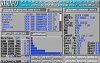
 download