Defining Uplink Types
You define uplink types in the Sites & Networks page.
An uplink type is a name for similar functioning uplinks. On the SCC, uplink types can be used across multiple sites and path selection rules can be created using these names. The name must be unique at a site (but it can be same across different sites) so that the system can detect which path selection rule uses which uplinks. Because path selection rules are global on the SCC, you are restricted to 8 uplink types.
Uplink types are the building blocks for path selection. You select the path preference order using the uplink types created, and it is used in various sites. Riverbed recommends that you reuse the same uplink types at different sites in order to label uplinks based on the preference for path selection. For example, you can label uplink types as primary, secondary, and tertiary based on the path selection preference. The uplink type can be based on the type of interface or network resource, such as Verizon or global resource of uplink abstraction that is tied to a network.
Note: On the SteelHead, this field is called the Uplink Name, on the SCC it is the Uplink Type. Riverbed recommends using the same name for an uplink in all sites connecting to the same network.
To define an uplink type
1. Choose Manage > Topology: Sites & Networks to display the Sites & Networks page.
2. Under Uplink Types, click the > to expand the page.
3. Click the + to display the New Uplink Type dialog box.
Figure: New Uplink Types
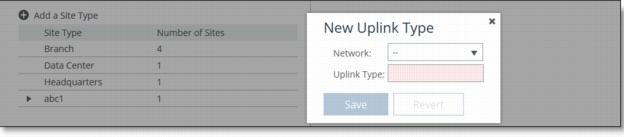
4. Complete the configuration as described in this table.
Pissplay220812bruceandmorgancallmename Exclusive → < OFFICIAL >
The internet frequently generates highly specific, alphanumeric search strings that explode in popularity overnight. One such term currently baffling search engines and social media sleuths is .
: This appears to be the identifiers or usernames of the creators, actors, or posters involved in the content. pissplay220812bruceandmorgancallmename exclusive
Here is a comprehensive breakdown of what this viral term likely represents, how to decode its individual components, and how to safely navigate these types of exclusive internet mysteries. Decoding the Keyword: Breaking Down the Components Here is a comprehensive breakdown of what this
: Many sites claiming to host "exclusive" leaks for specific file names are phishing hubs. They will asking you to download "media players" or "archive extractors" that are actually malware. When searching for exact strings like this, users
When searching for exact strings like this, users often run into significant digital security risks. Because these keywords are highly targeted and have low competition on search engines, malicious actors use them for "Search Engine Poisoning."
5. Click Save to save your settings.