Our romantic storylines are rarely random. They are deeply rooted in the parent directory of our earliest years. By understanding the index relationships that shaped us, we gain the "administrator privileges" needed to delete old patterns and write a new, healthier chapter in our lives.
In the digital world, a is the top-level folder that contains and organizes all subfolders and files. It provides the structure, the hierarchy, and the origin point for everything nested within it.
The "Parent Directory" was inconsistent. This creates a romantic storyline characterized by a "hunger" for validation, a fear of abandonment, and a tendency to over-index on a partner's moods.
Look at your dating history. What are the recurring themes? Are you chasing the same "file" under different names?
If your parent directory was missing "files" for emotional support, you might spend your adult life seeking partners who represent that missing data. For example, someone who felt ignored as a child might be drawn to "loud," attention-seeking partners, subconsciously trying to rewrite a story where they finally get noticed. 2. The Comfort of the Known
Through therapy or healthy relationships, people with anxious or avoidant "indexes" can develop "Earned Secure Attachment." This involves consciously choosing partners who contradict your old, negative blueprints.
Psychologists often refer to this as . Depending on how our "parent directory" was managed, we develop one of three primary styles:
Parent Directory Index Of Private Sex 2021 Verified Online
Our romantic storylines are rarely random. They are deeply rooted in the parent directory of our earliest years. By understanding the index relationships that shaped us, we gain the "administrator privileges" needed to delete old patterns and write a new, healthier chapter in our lives.
In the digital world, a is the top-level folder that contains and organizes all subfolders and files. It provides the structure, the hierarchy, and the origin point for everything nested within it.
The "Parent Directory" was inconsistent. This creates a romantic storyline characterized by a "hunger" for validation, a fear of abandonment, and a tendency to over-index on a partner's moods.
Look at your dating history. What are the recurring themes? Are you chasing the same "file" under different names?
If your parent directory was missing "files" for emotional support, you might spend your adult life seeking partners who represent that missing data. For example, someone who felt ignored as a child might be drawn to "loud," attention-seeking partners, subconsciously trying to rewrite a story where they finally get noticed. 2. The Comfort of the Known
Through therapy or healthy relationships, people with anxious or avoidant "indexes" can develop "Earned Secure Attachment." This involves consciously choosing partners who contradict your old, negative blueprints.
Psychologists often refer to this as . Depending on how our "parent directory" was managed, we develop one of three primary styles:
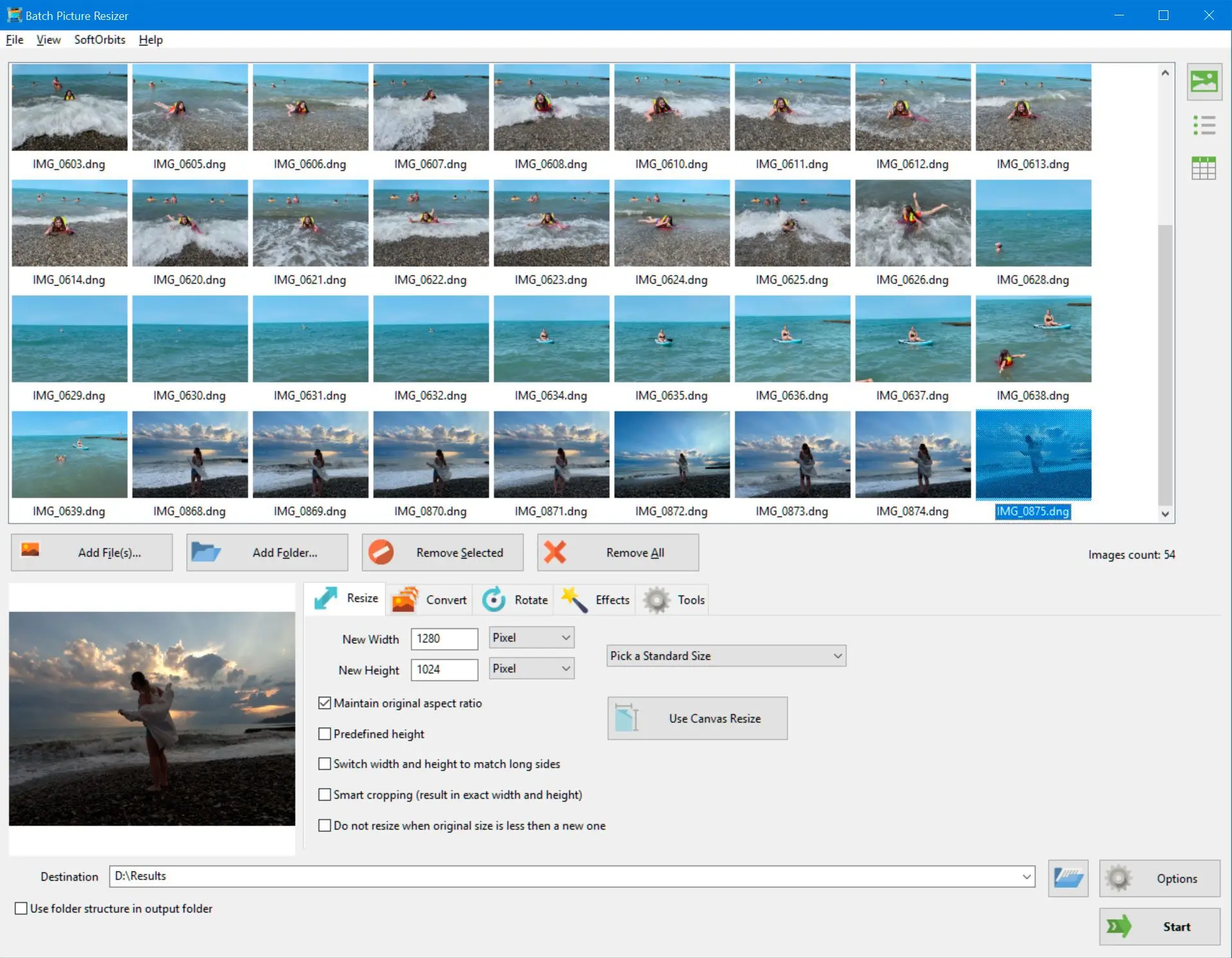
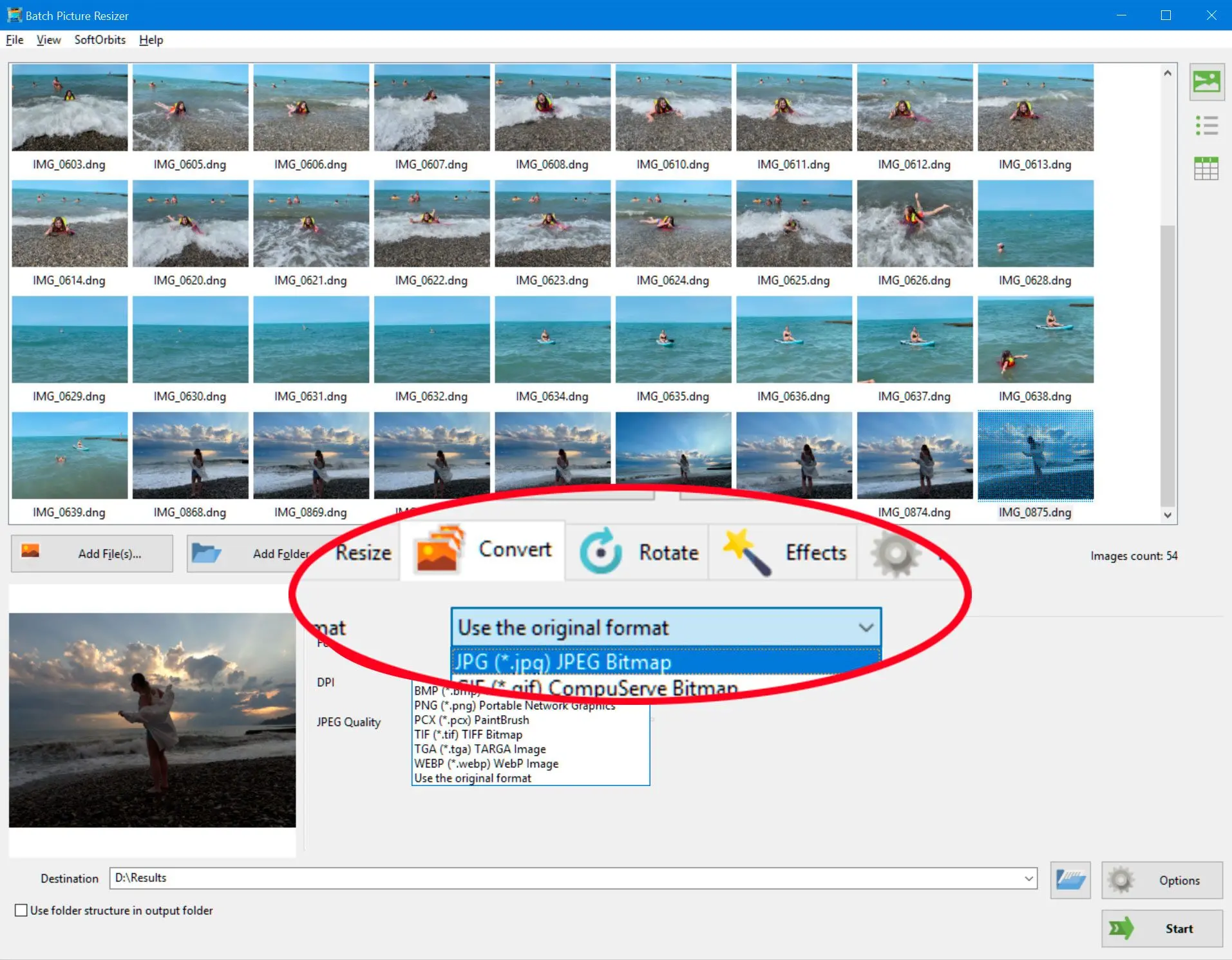
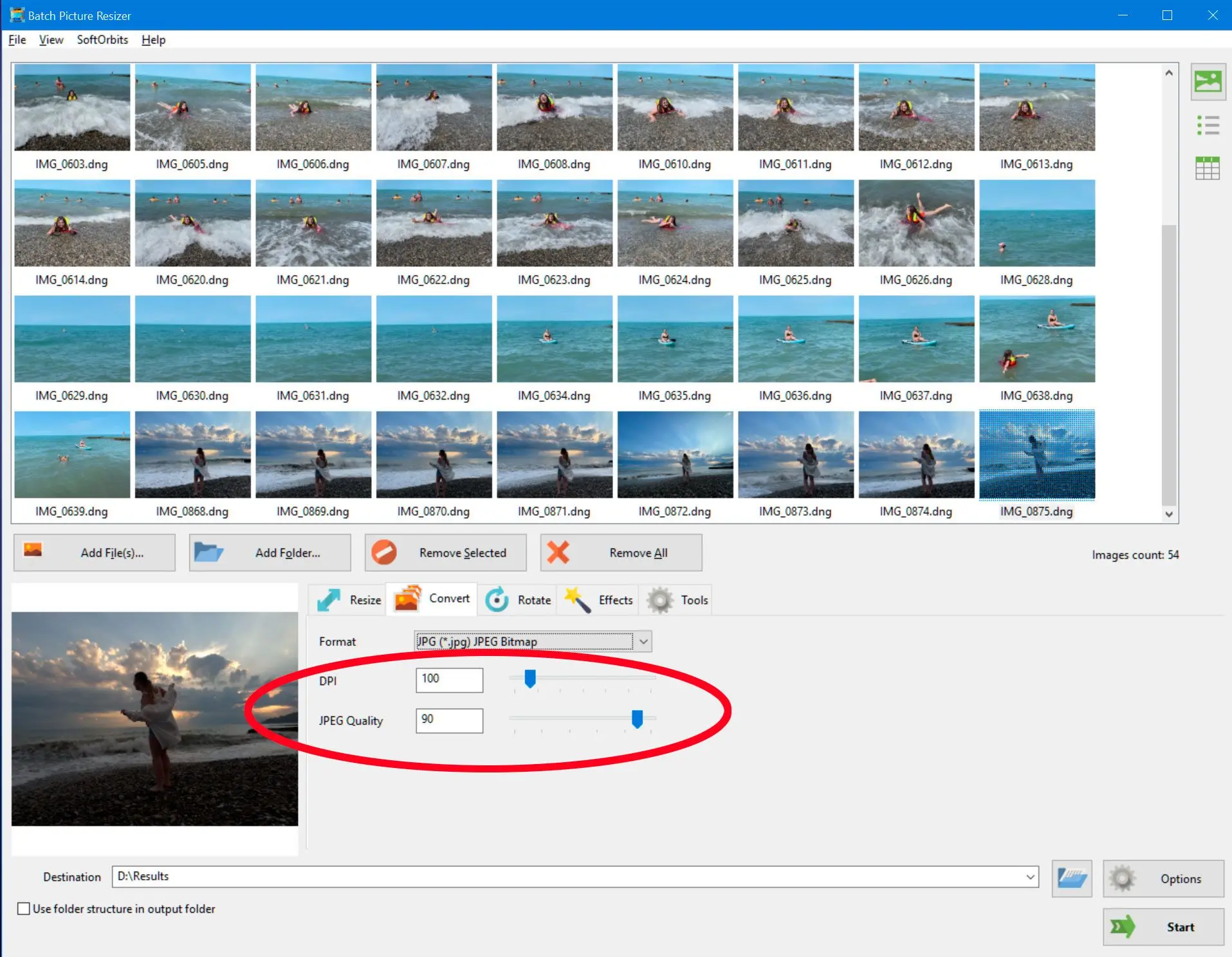
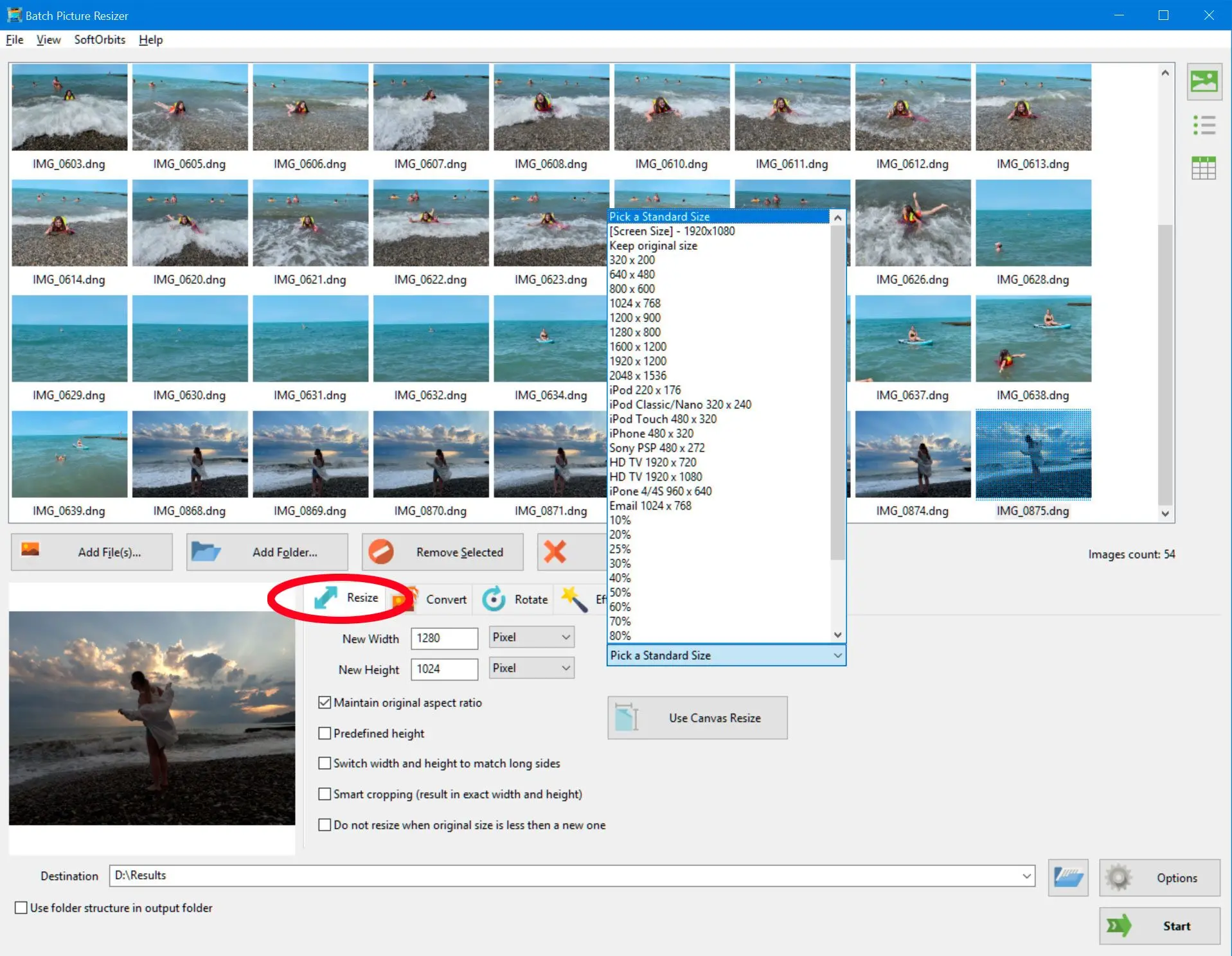
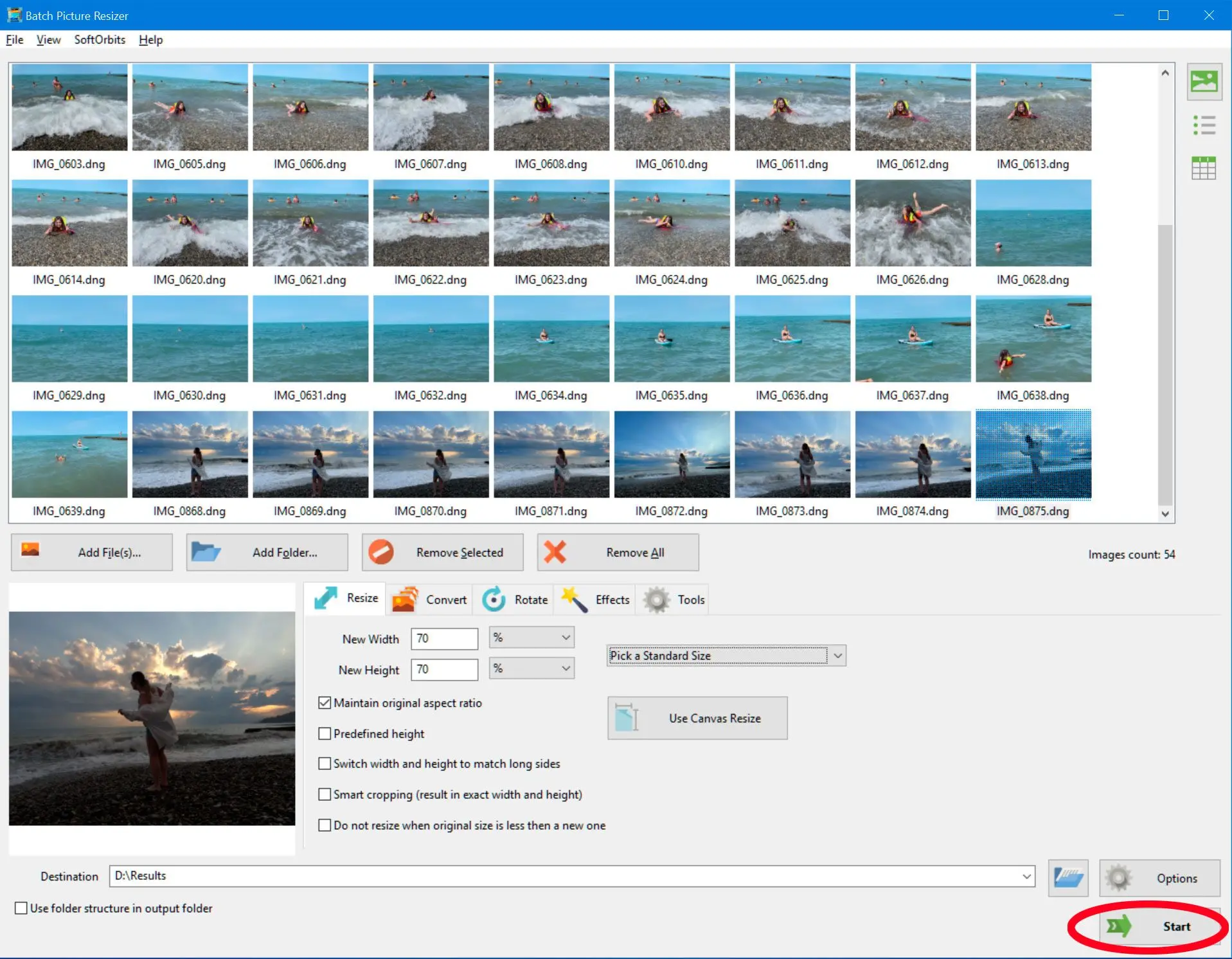


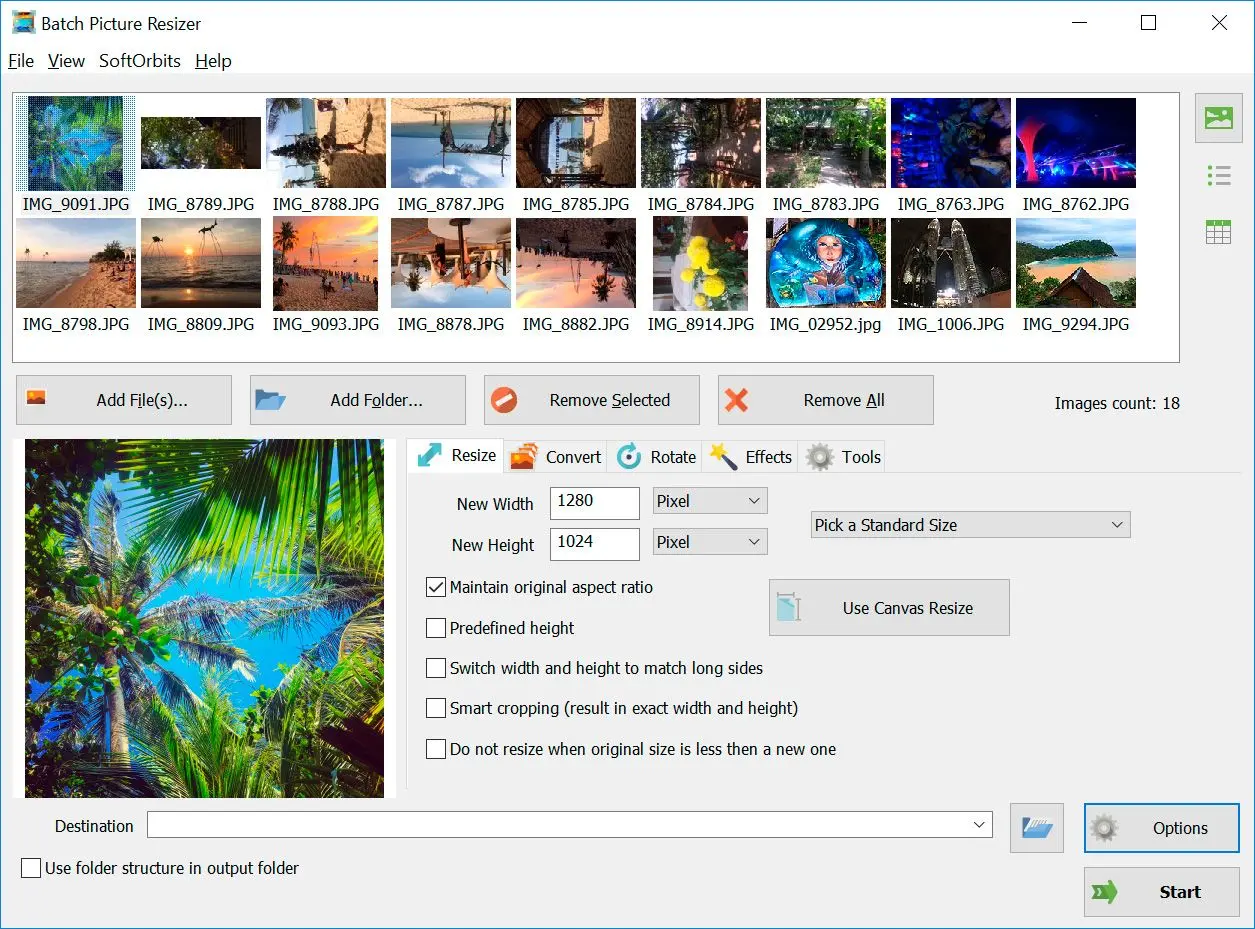
 Batch Picture Resizer