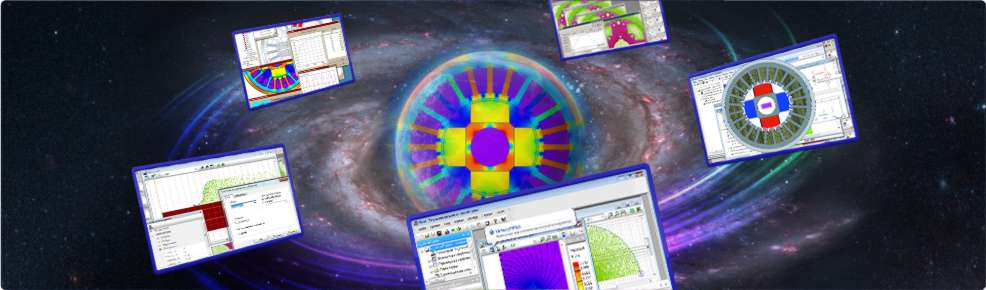
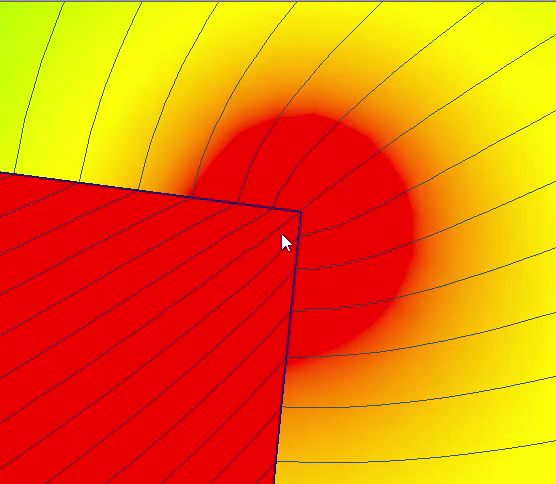
QuickField is a very efficient Finite Element Analysis package for electromagnetic, thermal, and stress design simulation with coupled multi-field analysis. It combines a family of analysis modules using the latest solver technology with a very user-friendly model editor (preprocessor) and a powerful postprocessor.
QuickField requires no training - you may start using it as soon as it is installed on your computer, without knowing the mathematical algorithms used and details of their implementation.
QuickField is a native Windows® application, which was designed for this platform only. It fully utilizes the advantages of a modern operational environment. It is very compact, yet powerful, and can be used for many design applications which require Magnetic , Electric or Thermostructural analysis
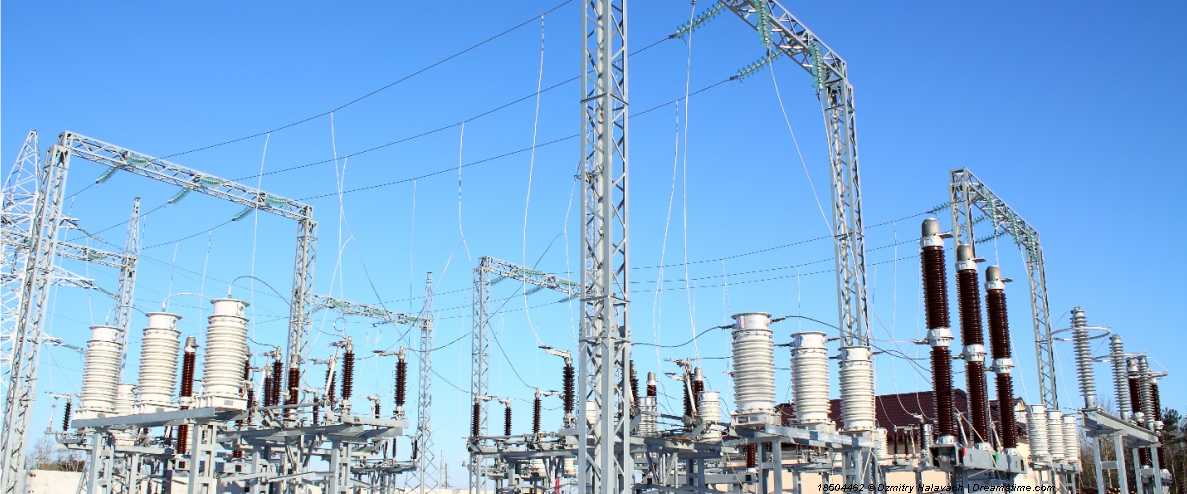
QuickField can be effectively applied to many engineering tasks. Most often, it is used in the design of electric motors, turbine generators, actuators, speakers, transformers, induction heating systems, transmission lines and other complex electrical and electromechanical devices.
The application of QuickField is not restricted to this list. If you are unsure as to how to apply QuickField to your problem - contact us, and we will be glad to help you.
Accessing these feeds is more than just a curiosity; it carries significant security implications for both the camera owners and the viewers. Reddit·r/HowToHack
When these terms are combined, they reveal a list of thousands of servers with live streams that are accessible because they lack basic password protection. The Risks of Exposed IP Cameras inurl viewerframe mode motion high quality
This targets the standard framing page for certain IP camera models, notably older Panasonic or Axis units. Accessing these feeds is more than just a
This parameter requests the camera to deliver its maximum resolution stream rather than a compressed, low-bandwidth version. This parameter requests the camera to deliver its
The keyword represents a specific "Google dork"—a specialized search query used to identify unsecured network cameras connected to the internet. While often explored by tech enthusiasts for "geocamming," these queries highlight critical gaps in cybersecurity and digital privacy. Understanding the Dork
The query is composed of several advanced search operators that filter for specific technical parameters found in the URLs of web-based camera interfaces:
This command tells the interface to prioritize streaming only when the camera detects activity, which is an efficiency feature used to save bandwidth.