Lotto Craft
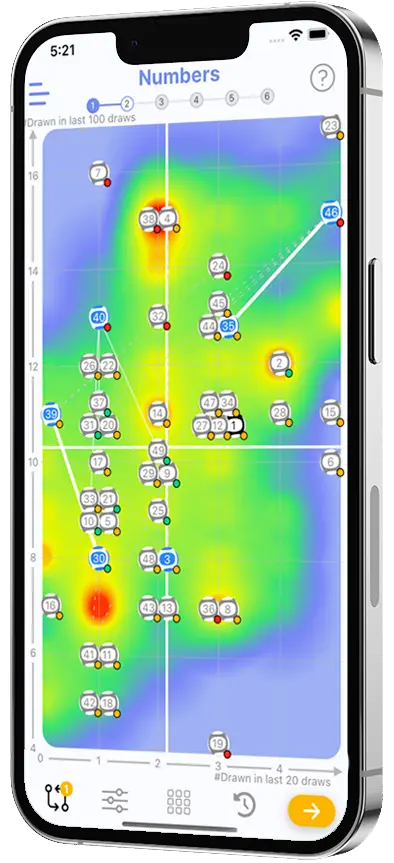





























Choosing lottery numbers is no longer limited to random guessing. Today, AI and data analysis can help players make smarter picks. By studying historical draw data, AI can identify patterns, such as frequently drawn numbers (hot numbers), numbers that rarely appear (cold numbers), and combinations that might be overdue
AI algorithms process thousands of past results to highlight number sets with better statistical potential. Instead of relying on pure luck, you can now use pattern recognition and probability models to select numbers based on data-backed trends.
To make this easier, Lotto Craft provides visual dashboards, charts, and insights, helping users navigate through complex statistics and patterns. With clear visuals and intuitive analytics, you can quickly spot trends and choose numbers with more strategy and confidence. While no system can guarantee a win, combining AI insights with lottery data brings a smarter approach to playing.
The Fisher 3560 (often cited alongside similar legacy models like the 3582 or 3570) is a single-acting pneumatic positioner. It is typically used with diaphragm-actuated, sliding-stem control valve assemblies to modulate supply pressure and maintain a specific valve plug position. Key Technical Specifications
Used when the actuator has tapped holes in the posts.
Set the input signal to its minimum (e.g., 3 psig) and adjust the nozzle until the output gauge shows the valve is at its starting position.
The unit requires clean, dry, non-corrosive air or natural gas.
Increase the input signal to the maximum (e.g., 15 psig). Adjust the flapper assembly or span adjustment screw until the valve reaches the full intended travel.
Calibration ensures the valve responds accurately to control signals. General steps (similar to the Fisher 3582) include:
Maximum pressures can reach up to 10.4 bar (150 psig) depending on the specific configuration, while the minimum is typically around 2.4 bar (35 psig).
Involves attaching the positioner using studs and hex nuts to the back of the housing.
Standard ranges include 0.2 to 1.0 bar (3 to 15 psig) or 0.4 to 2.0 bar (6 to 30 psig).

Pick the winning numbers with precision and ease with AI technology, advanced statistics and mapping visuals. Learn more

Play fewer tickets while still having a better chance of winning. Learn more

Identify tickets that have the highest chances of winning through the evaluation system. Learn more
The Fisher 3560 (often cited alongside similar legacy models like the 3582 or 3570) is a single-acting pneumatic positioner. It is typically used with diaphragm-actuated, sliding-stem control valve assemblies to modulate supply pressure and maintain a specific valve plug position. Key Technical Specifications
Used when the actuator has tapped holes in the posts.
Set the input signal to its minimum (e.g., 3 psig) and adjust the nozzle until the output gauge shows the valve is at its starting position.
The unit requires clean, dry, non-corrosive air or natural gas.
Increase the input signal to the maximum (e.g., 15 psig). Adjust the flapper assembly or span adjustment screw until the valve reaches the full intended travel.
Calibration ensures the valve responds accurately to control signals. General steps (similar to the Fisher 3582) include:
Maximum pressures can reach up to 10.4 bar (150 psig) depending on the specific configuration, while the minimum is typically around 2.4 bar (35 psig).
Involves attaching the positioner using studs and hex nuts to the back of the housing.
Standard ranges include 0.2 to 1.0 bar (3 to 15 psig) or 0.4 to 2.0 bar (6 to 30 psig).