In many East Asian societies—particularly Japan, South Korea, and Taiwan—the school uniform (or seifuku in Japan) is a ubiquitous symbol of adolescence. Historically designed to promote equality and discipline, these garments, such as the sailor suit ( sailor fuku ) or the blazer-and-pleated-skirt combination, became the foundation for a massive media subculture.
The "Asian school girl" in entertainment and media is no longer just a character type; it is a versatile visual language. Whether it is being used to tell stories of magical empowerment, critique social structures, or sell a pop-music dream, the imagery remains a central pillar of Asian soft power. As media continues to globalize, this archetype will likely continue to adapt, reflecting the changing roles and voices of young women across the continent. asian school girl porn movies upd
While much of the media focuses on pop-sweetness, Asian cinema often uses the school girl figure to explore darker, more subversive themes. Films like Japan’s Battle Royale or South Korea’s Whispering Corridors series use the uniform to highlight the intense pressures and systemic violence within competitive academic environments. By placing these characters in extreme, often horrific situations, filmmakers critique the "innocence" typically projected onto young women by society. The Digital Shift: Social Media and Gaming Whether it is being used to tell stories
Perhaps no medium has done more to globalize the Asian school girl trope than Japanese anime and manga. Iconic series like Sailor Moon redefined the school girl as a "magical girl" ( mahou shoujo ), blending the innocence of student life with the empowerment of a superhero. Films like Japan’s Battle Royale or South Korea’s
The landscape of "Asian school girl" imagery in global entertainment and media is a complex tapestry woven from cultural traditions, modern pop culture phenomena, and the powerful influence of the "Cool Japan" era. What began as a standard academic uniform has evolved into a global shorthand for youth, rebellion, and a specific aesthetic that dominates everything from high-fashion runways to digital streaming platforms. The Uniform as a Cultural Icon
By the late 20th century, the uniform transitioned from a requirement of the state to a tool of self-expression. The "Kogyaru" subculture of the 1990s, for example, saw Japanese students customizing their uniforms with loose socks and shortened skirts, signaling a defiant, youthful identity that media outlets were quick to capitalize on. Dominance in Anime and Manga
Today, the "Asian school girl" aesthetic is a powerhouse in the digital economy. In gaming, "school uniform" skins are among the most popular cosmetic purchases in titles like PUBG or Genshin Impact . Meanwhile, on platforms like TikTok and Instagram, the aesthetic lives on through "douyin" makeup trends and "GRWM" (Get Ready With Me) videos that prioritize the soft, youthful look associated with the trope. Conclusion


 Synth a tastiera
 Workstation a tastiera
 Pianoforti da palco
 Pianoforti con mobile
 Arranger a tastiera
 Master Keyboard
 Expander
 Campionatori / Groove Box
 Amplificatori per tastiera
 Hammond e organi elettronici
 Organi Classici
 Pedali per tastiere e piano
 Pedali ed effetti per tastiera
 Stand e Supporti
 Custodie per tastiere
 Sgabelli e panchette
 Schede di espansione
 Cavi, adattatori e accessori per tastiere
 Schede audio / Interfacce Midi
 Monitor da studio
 Cuffie da studio
 Microfoni da studio
 Processori / Preamplificatori
 Registratori digitali
 Software e PlugIn
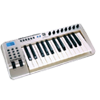 Master Keyboard e Controller Midi
 Mobili da studio
 Cavi, adattatori e accessori per studio
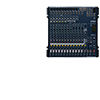 Mixer Analogici
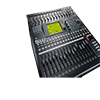 Mixer Digitali
 Casse attive
 Subwoofer
 Sistemi a colonna
 Preamplificatori / Effetti / Equalizzatori
 Microfoni per Live
 Microfoni per telecamera
 Radiomicrofoni
 In-Ear Monitor
 Karaoke
 Strumenti a fiato
 Violini e viole Elettrici
 Luci ed effetti visivi
 Supporti, cavi e accessori per live
 Lettori CD/MP3 per DJ
 Console / Controller
 Giradischi e Testine per DJ
 Mixer per DJ
 Software DJ
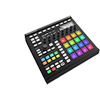 Effetti per DJ e Groove Box
 Cuffie per DJ
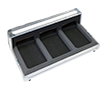 Custodie e Flight case
 Cavi, adattatori e accessori per DJ
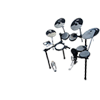 Batterie elettroniche
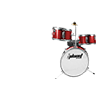 Batterie acustiche
 Drum machine
 Accessori per batterie
 Microfoni per batteria